Peptide Research and Science
 Peptide Research UK Explained: Science, Applications and Future Developments
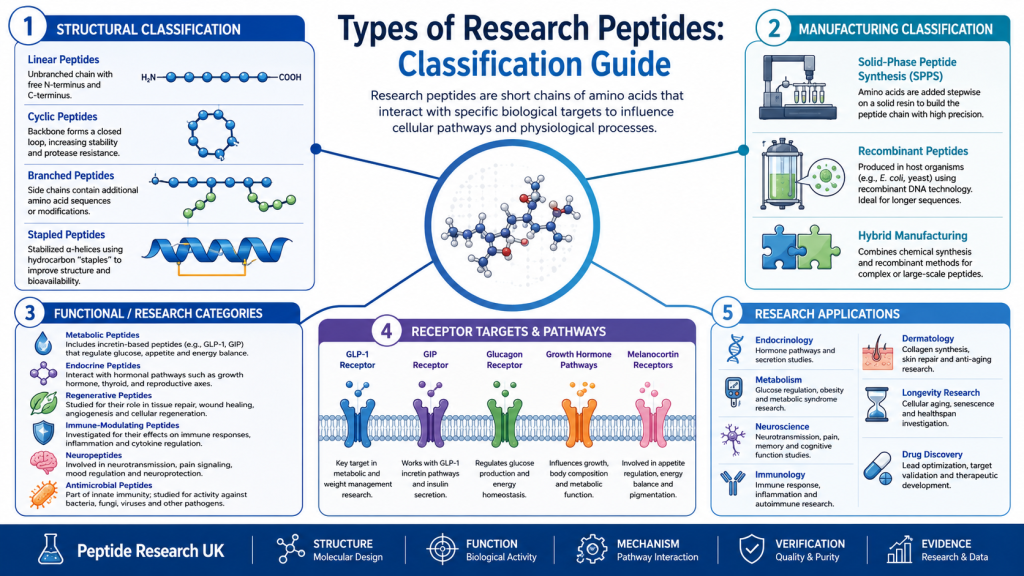
The world of peptide research UK has expanded dramatically over the past decade. Once considered a niche scientific field, peptide science has evolved into one of the most exciting areas of modern biological and pharmaceutical research. From investigations into metabolism and healthy ageing to studies involving recovery, performance, and cellular signalling, researchers continue to uncover fascinating insights into how peptide compounds interact within complex biological systems.
At their core, peptides are naturally occurring chains of amino acids that play critical roles throughout living organisms. They act as messengers, regulators, signalling molecules, and structural components. Because of these diverse functions, peptide studies have become increasingly important across numerous scientific disciplines.
Today’s researchers are exploring how peptide mechanisms influence biological processes, how synthetic peptide compounds can be produced with remarkable precision, and how advanced laboratory techniques ensure quality and consistency throughout peptide science research.
This comprehensive guide explores the foundations of peptide research UK, examines current applications, discusses laboratory standards, and looks ahead to the future of modern peptide research.
What Are Peptides?
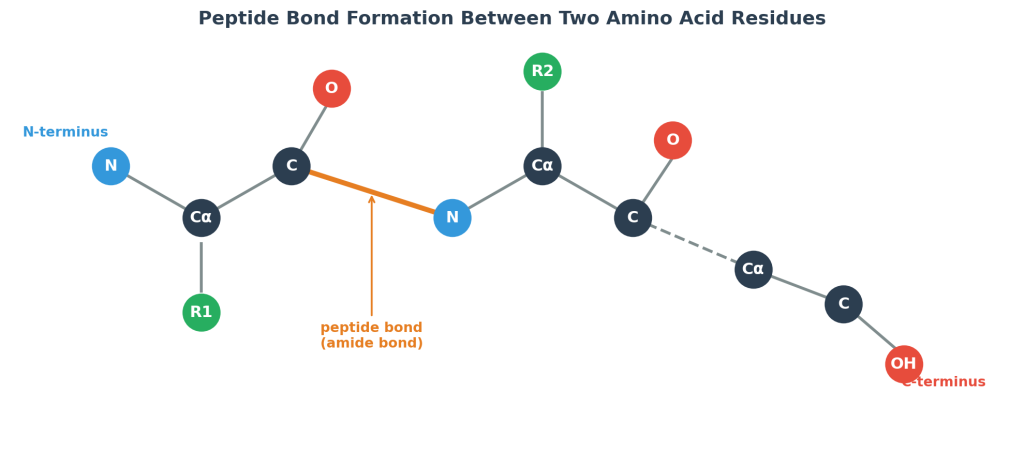
Peptides are short chains of amino acids connected through peptide bonds. They can contain anywhere from just a few amino acids to several dozen, sitting somewhere between individual amino acids and larger proteins in terms of size and complexity.
Naturally occurring peptides are found throughout plants, animals, and microorganisms. In biological systems, they help regulate countless functions by acting as signalling molecules between cells and tissues.
Some key characteristics of peptides include:
- Relatively small molecular size
- High specificity for biological targets
- Diverse biological functions
- Naturally occurring and synthetic forms
- Ability to influence cellular communication
Researchers often study peptides because their structures can be modified and optimised for specific scientific purposes. This flexibility makes them particularly valuable in laboratory environments.
Within the broader field of peptide science research peptides, scientists continually investigate how these molecules contribute to cellular regulation, communication pathways, and physiological responses.
Peptide Structure and Function
Understanding peptide structure is fundamental to understanding how peptides work.
Every peptide begins as a sequence of amino acids linked together in a specific arrangement. This sequence determines the peptide’s shape, stability, and biological activity.
The Building Blocks of Peptides
Amino acids serve as the foundation of every peptide compound. Each amino acid possesses unique chemical properties that influence the peptide’s behaviour.
When amino acids combine, they form peptide bonds, creating chains that can fold into specific three-dimensional structures.
The structure of a peptide often determines:
- Receptor binding ability
- Biological activity
- Stability
- Solubility
- Functional specificity
How Peptides Function
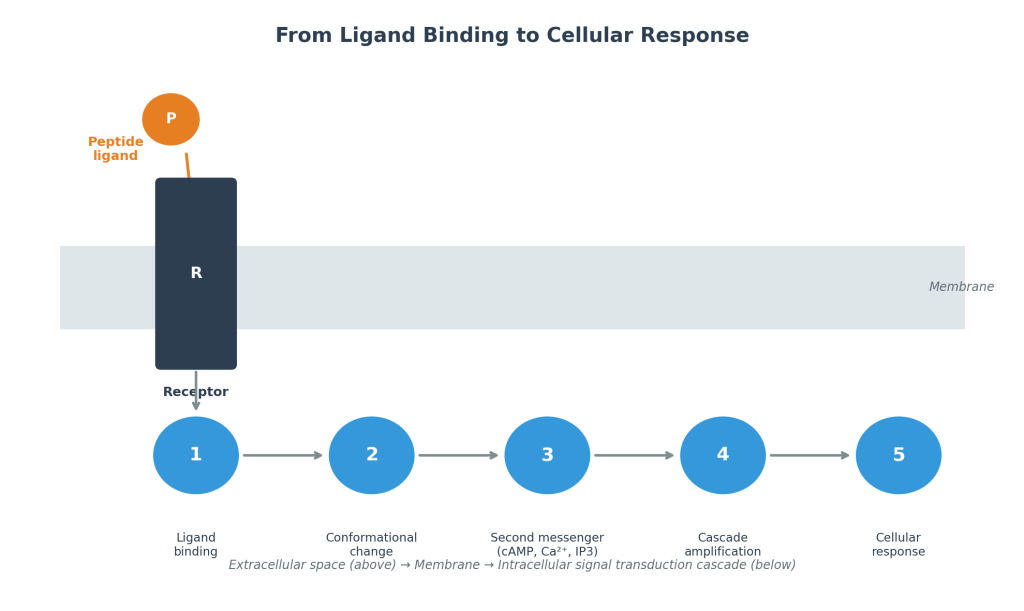
Peptides frequently act as signalling molecules.
Imagine a key fitting into a lock. A peptide may bind to a receptor on a cell’s surface, triggering a series of biological responses. This interaction can activate or suppress specific pathways depending on the peptide and receptor involved.
Researchers studying peptide mechanisms often focus on:
- Receptor activation
- Signal transduction pathways
- Gene expression responses
- Cellular communication networks
- Metabolic regulation processes
These interactions form the foundation of many modern peptide studies.
How Peptides Are Produced
Peptide production has advanced considerably thanks to innovations in chemistry and biotechnology.
Researchers can now create highly specific peptide compounds with remarkable precision.
Natural Production
Within living organisms, peptides are synthesised through cellular processes involving genetic instructions encoded in DNA.
Cells produce larger precursor proteins that are subsequently processed into active peptides.
This natural production process allows organisms to regulate biological functions efficiently and continuously.
Synthetic Production
In research settings, peptides are commonly produced using laboratory synthesis methods.
One of the most widely used techniques is solid-phase peptide synthesis (SPPS).
This method enables researchers to:
- Construct precise amino acid sequences
- Control purity levels
- Produce consistent batches
- Develop custom peptide compounds
- Conduct specialised peptide studies
Modern peptide research relies heavily on these advanced synthesis technologies because they provide reproducibility and scalability for scientific investigations.
Peptide Research Applications
The versatility of peptides has opened the door to numerous research applications.
Scientists across multiple disciplines continue to explore how peptides influence biological systems and support scientific discovery.
Some major areas include:
- Metabolic research
- Weight management investigations
- Longevity studies
- Performance research
- Cellular signalling research
- Endocrine system investigations
- Regenerative science studies
Let’s explore several of the most prominent areas in greater detail.
Weight Management Research
Among the fastest-growing fields within peptide research UK is weight management research.
Scientists continue investigating how specific peptide compounds interact with pathways involved in appetite regulation, energy balance, and metabolic function.
Understanding Metabolic Signalling
The body relies on complex signalling networks to regulate:
- Hunger
- Satiety
- Energy expenditure
- Nutrient utilisation
- Glucose metabolism
Certain peptide mechanisms influence these systems by communicating information between organs and tissues.
Researchers are particularly interested in understanding how these signalling pathways contribute to long-term metabolic regulation.
Emerging Areas of Investigation
Current peptide studies often focus on:
- Appetite signalling pathways
- Energy balance regulation
- Metabolic adaptation
- Nutrient sensing mechanisms
- Hormonal communication systems
As scientific understanding expands, weight management research continues to represent one of the most active areas of modern peptide research.
Internal Link Suggestion: Weight Management Research
Longevity Research
Longevity science has become increasingly popular as researchers seek to better understand the biological processes associated with ageing.
Peptides are frequently studied because of their potential roles in cellular communication, tissue maintenance, and biological regulation.
The Science of Healthy Ageing
Ageing involves numerous interconnected biological processes, including:
- Cellular stress responses
- Protein maintenance
- DNA integrity
- Inflammatory signalling
- Metabolic adaptation
Researchers investigate how peptide compounds influence these systems and whether they contribute to maintaining biological function over time.
Why Researchers Study Peptides and Ageing
Peptides offer unique opportunities for scientific investigation because they often participate directly in cellular signalling pathways.
Their ability to influence specific biological targets makes them valuable tools for exploring age-related mechanisms.
Modern peptide research continues to uncover new insights into these complex biological networks.
Internal Link Suggestion: Longevity and Healthy Ageing Research
Performance and Recovery Research
Performance science represents another major focus within peptide science research.
Researchers examine how peptide compounds interact with pathways involved in physical adaptation, recovery, and biological resilience.
Areas of Scientific Interest
Common areas of investigation include:
- Muscle signalling pathways
- Cellular adaptation mechanisms
- Recovery processes
- Tissue communication networks
- Biological stress responses
Researchers aim to better understand how these systems function and how peptide mechanisms influence performance-related biology.
Advancing Scientific Knowledge
While much remains to be discovered, peptide studies continue contributing valuable knowledge regarding biological adaptation and recovery processes.
The field remains highly dynamic, with new findings emerging regularly from laboratories worldwide.
Internal Link Suggestion: Performance and Recovery Research
Laboratory Testing Standards
Scientific integrity depends heavily on laboratory standards.
Without rigorous testing procedures, peptide research would lack reliability and reproducibility.
Why Laboratory Standards Matter
High-quality research requires confidence in the identity and composition of peptide compounds.
Laboratory testing helps researchers verify:
- Molecular identity
- Sequence accuracy
- Purity levels
- Stability
- Batch consistency
These standards ensure that scientific findings are based on reliable materials.
Common Analytical Methods
Modern laboratories frequently utilise advanced techniques such as:
High-Performance Liquid Chromatography (HPLC)
HPLC helps evaluate peptide purity and identify potential impurities.
Mass Spectrometry
Mass spectrometry confirms molecular weight and structural accuracy.
Spectroscopic Analysis
Spectroscopy provides additional information regarding molecular composition and characteristics.
Together, these methods support the quality assurance processes essential to peptide science.
Internal Link Suggestion: Laboratory and Quality Standards
Understanding Purity and Quality
Purity is one of the most important considerations in peptide studies.
Even minor impurities may affect experimental outcomes, making accurate quality assessment essential.
What Does Purity Mean?
Purity refers to the percentage of the intended peptide present within a sample.
Researchers generally seek high-purity materials to minimise variables and improve experimental reliability.
Factors Affecting Quality
Several factors can influence peptide quality:
- Manufacturing methods
- Storage conditions
- Transportation practices
- Analytical testing procedures
- Raw material selection
Maintaining quality throughout the research process helps ensure accurate and reproducible scientific results.
Quality Control Measures
Research facilities often implement:
- Batch verification
- Analytical testing
- Stability monitoring
- Documentation procedures
- Chain-of-custody protocols
These measures support consistency across peptide science research programmes.
Future of Peptide Science
The future of peptide research appears exceptionally promising.
Advancements in computational biology, artificial intelligence, molecular engineering, and biotechnology continue to accelerate scientific discovery.
Emerging Technologies
Several innovations are shaping the future of modern peptide research:
AI-Assisted Peptide Design
Artificial intelligence is helping researchers predict peptide structures and optimise molecular design more efficiently than ever before.
Precision Synthesis
New synthesis technologies are improving accuracy while reducing production complexity.
Advanced Screening Platforms
Researchers can now evaluate larger numbers of peptide compounds using automated high-throughput systems.
Personalised Research Models
Future studies may increasingly explore individual biological responses using highly targeted research approaches.
Expanding Scientific Horizons
The next decade is likely to bring significant advances in:
- Cellular signalling research
- Metabolic science
- Longevity investigations
- Molecular engineering
- Systems biology
As knowledge grows, peptide mechanisms will continue providing valuable insights into biological function and regulation.
Peptide Research and Science: Why It Matters
The importance of Peptide Research and Science extends far beyond individual studies.
This rapidly evolving field contributes to our understanding of biology at the molecular level. By examining how peptide compounds influence cellular communication and biological regulation, researchers can uncover mechanisms that were previously hidden from view.
From metabolism to healthy ageing, from recovery science to advanced laboratory analytics, peptide studies continue expanding scientific knowledge in meaningful ways.
As modern peptide research progresses, the opportunities for discovery appear virtually limitless.
Frequently Asked Questions
What is peptide research?
Peptide research involves the scientific study of peptide compounds, including their structure, function, production methods, biological activity, and applications in laboratory investigations.
Why are peptides important in science?
Peptides play essential roles in cellular communication, signalling pathways, and biological regulation, making them valuable tools for scientific research.
What are peptide compounds?
Peptide compounds are molecules composed of amino acids linked together through peptide bonds. They may occur naturally or be synthesised in laboratories.
How are peptides tested for quality?
Researchers commonly use HPLC, mass spectrometry, and other analytical techniques to evaluate purity, identity, and consistency.
What is modern peptide research focused on?
Modern peptide research explores metabolism, longevity, cellular signalling, biological adaptation, molecular engineering, and numerous other scientific areas.
Why is purity important in peptide studies?
High purity helps ensure experimental accuracy, reliability, and reproducibility by reducing unwanted variables.
Where can I learn more about peptide science?
Explore our dedicated resources covering:
- Research Guides and Education
- Laboratory and Quality Standards
- Weight Management Research
- Performance and Recovery Research
- Longevity and Healthy Ageing Research
- Retatrutide Research
Conclusion
The field of peptide research UK continues to transform our understanding of biology, molecular communication, and scientific innovation. Through rigorous laboratory standards, advanced synthesis technologies, and increasingly sophisticated analytical methods, researchers are uncovering new insights into peptide mechanisms every year.
Whether investigating metabolic pathways, exploring healthy ageing, studying performance-related biology, or developing future research technologies, peptide science remains one of the most exciting frontiers in modern scientific exploration.
As discoveries continue to emerge, Peptide Research and Science will undoubtedly remain at the centre of countless breakthroughs, driving the future of biological understanding and advancing the boundaries of scientific knowledge.